
The annual World Digital Preservation Day, organized by the UK-based Digital Preservation Coalition, is celebrated on the first Thursday of every November. This year, on November 5, the University of Alberta Library (UAL) is responding to the call to “highlight the importance of digital heritage and encourage action to protect the records, research, memories and cultural assets that shape our communities,” per the theme Save our Stories (SOS): Our Digital Heritage in Danger.
The internet is a cornerstone of daily activities and a primary source of information, yet its ephemeral nature—websites can change or vanish without warning—presents a serious challenge for historical record-keeping. One way that UAL helps to protect digital cultural heritage is through the work of its Web Archiving Team.
Web archiving is not simply about taking screenshots or saving an HTML file; rather, it involves collecting and preserving online information, such as websites/pages, media, and links, so it can be re-rendered in the future. By capturing web content at specific points in time, storing it securely and making it accessible even after the original site has changed or disappeared, web archiving plays a vital role in:
- Safeguarding cultural and historical content that exists only online,
- Offering historical snapshots for research into digital culture, communications, historical events, and more,
- Ensuring an accountable record of government or other public information statements, and
- Preventing the loss of content due to broken or outdated links.
Many researchers at the University of Alberta create research websites, but they may not think about the sites’ long-term preservation. Dr. Odile Cisneros, professor for Modern Languages and Cultural Studies, reflects:
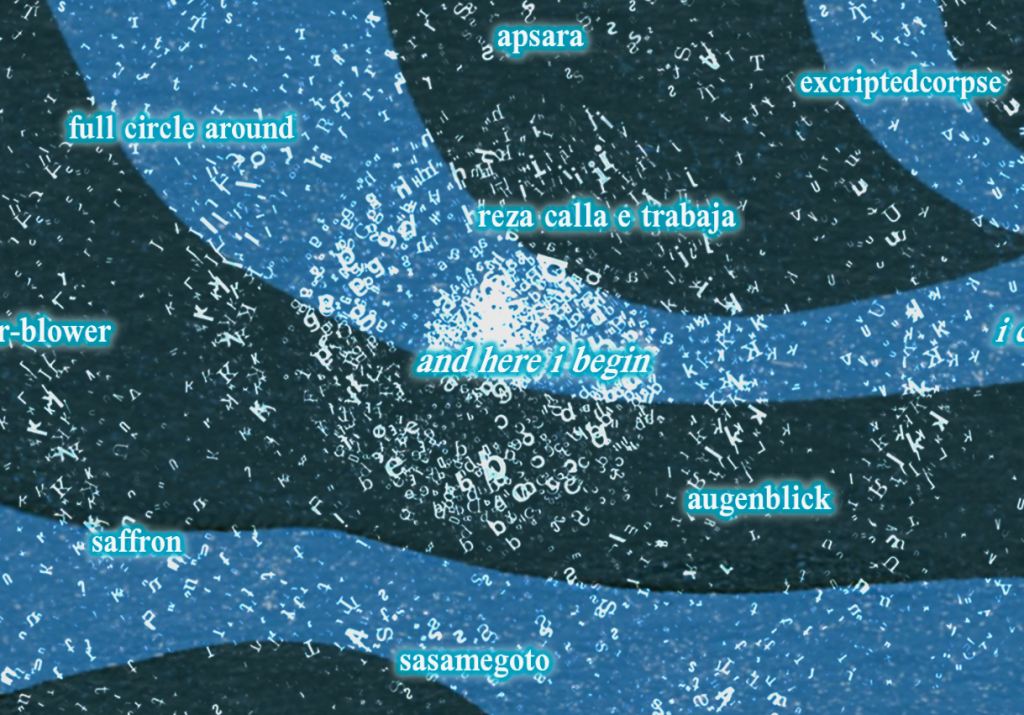
“At the time I created ecopoesia.com and galaxias.ca, digital preservation was not something I was aware of; I was just thinking about the immediate future, i.e., the creation of a digital website to showcase environmental poetry and resources related to that. When speaking with the Arts Resource Centre, however, [I began] to think about what would happen to the website 10, 20, or 30 years later. [It] did make me realize that the research would be lost when I retired or if the systems changed and the website could no longer be hosted, supported, or updated.”
UAL’s web archiving program, in partnership with Internet Archive (IA) and powered by Archive-It, has preserved website content from around the world, dating back to the 1990s, that reflects the university’s digital footprint and the broader regional context of Western Canada. Key areas of focus include:
- U of A Websites: departmental pages, student organizations, and special events,
- Local + Regional Content: websites tied to Alberta and Western Canadian heritage,
- At-Risk Web Content: sites from short-term projects or organizations facing closure, and
- Research Support: partnering with scholars to archive web content relevant to their work.
For all of our web-archived collections, the Web Archiving Team uses a methodical workflow. First, we select websites for preservation by identifying those that align with UAL collection policies and U of A research priorities. Archive-It captures the sites by crawling them at regularly scheduled intervals. For quality assurance, team members review the archived content for completeness and usability. They then create metadata by adding descriptive tags to improve the collections’ discoverability, before providing access to the archives via IA’s Wayback Machine.
Fortunately for Dr. Cisneros and others, the Web Archiving Team maintains a University of Alberta Archived Academic Staff Websites collection. Initiated in 2025, it preserves non-institutional web content created in the service of research grants and projects, initiatives, professional endeavours, and other events related to activities at the U of A. Web content creators will have peace of mind knowing that the web archiving program will keep their work accessible for years to come.
“Without digital preservation, the content of these websites would cease to be available when I retire [if] they are no longer maintained or taken down by the current host. Now, my websites are saved as part of the Internet Archive’s worldwide digital library. Thank you to the U of A Library.”
Dr. Cisneros’ experience underscores the vulnerability of valuable online content related to research, teaching, and other initiatives at the U of A, and the importance of web archiving. UAL’s dedication to digital preservation ensures that today’s online world will remain accessible to tomorrow’s researchers. By capturing the fleeting nature of the internet, UAL isn’t just saving websites; it’s preserving a vital part of our shared knowledge and culture.
To learn more or suggest websites for preservation, contact UAL’s Web Archiving Team at webarch@ualberta.ca.