This guest post was written by Christian Isbister who worked with our team at the University of Alberta Archives to help begin the process of decolonizing their collection.
Tanisi, hello! My name is Christian Isbister, I’m a Métis librarian/archivist, and I most recently completed a contract with the University of Alberta Archives where I made some early steps towards decolonizing their collection. Here I’ll talk about some of the inherent difficulties in searching for Indigenous materials in archives, which will hopefully show why decolonizing these spaces are important.
First, I think it would be helpful to briefly go over some concepts in archives that I’ll be using. Archives are organized and accessed a little differently than libraries. While in a library you can look for an individual thing, like a book or an article, at the University of Alberta Archives you often search for Fonds, which is an archival term that describes all the records held in the archive by one creator. So, for example, you might search for the Julian Mills Fonds, which will include his photographs, diary entries, newspaper clippings, letters, or anything else he created.
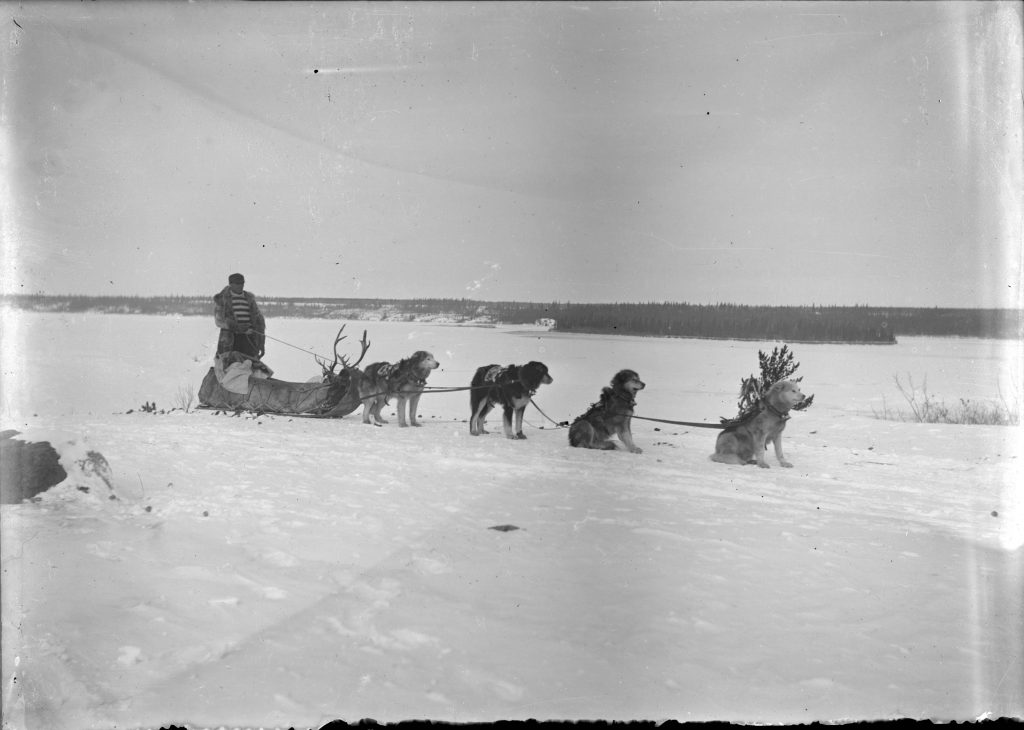
This brings me to the first issue that Indigenous researchers come across, which is that archival descriptions prioritize the creator of the records, not the subjects. As I’m sure you can imagine, historically speaking Indigenous Peoples have rarely been the creators of these records. Instead, they get described in the records of other people. This can make it difficult to search for material about Indigenous Peoples, since you can only find them by searching for the record creators. In the archive there are thousands of photographs of Indigenous Peoples, but the best way to find them is to know who took those photographs.
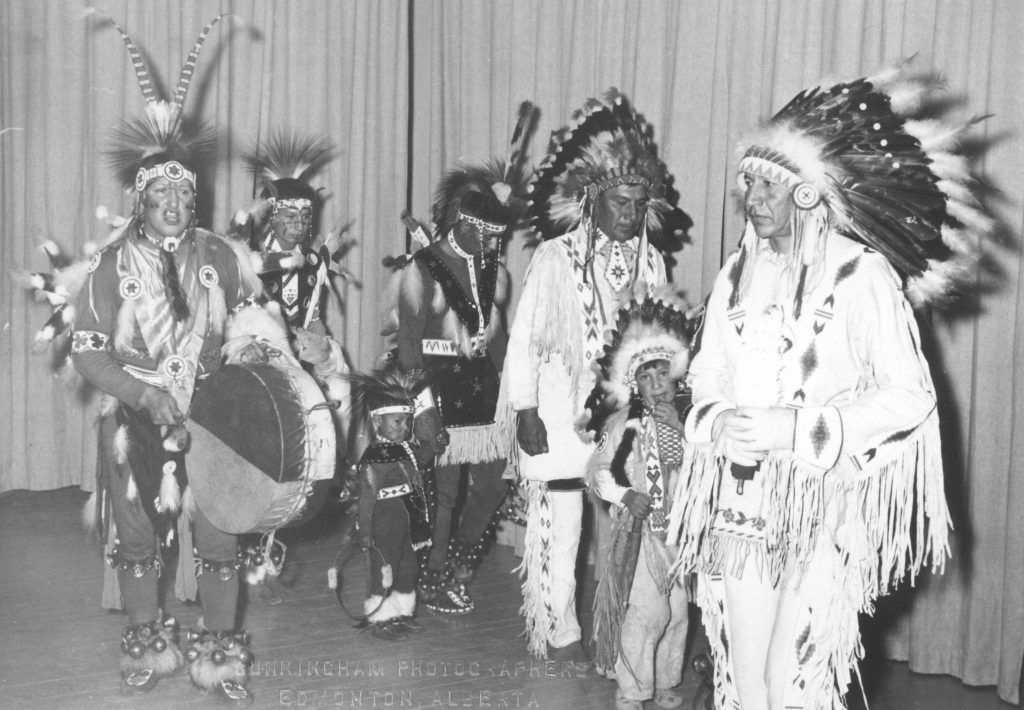
Another big challenge you might come across is that many of these records detail history that is inherently traumatic. This can make research very difficult for Indigenous Peoples who are looking for their histories in archives. Even if material isn’t traumatic, there are lots of archival records that contain very racist or derogatory language. All of this can make using the archive a difficult process for Indigenous Peoples, and makes the archive a place of colonial violence.
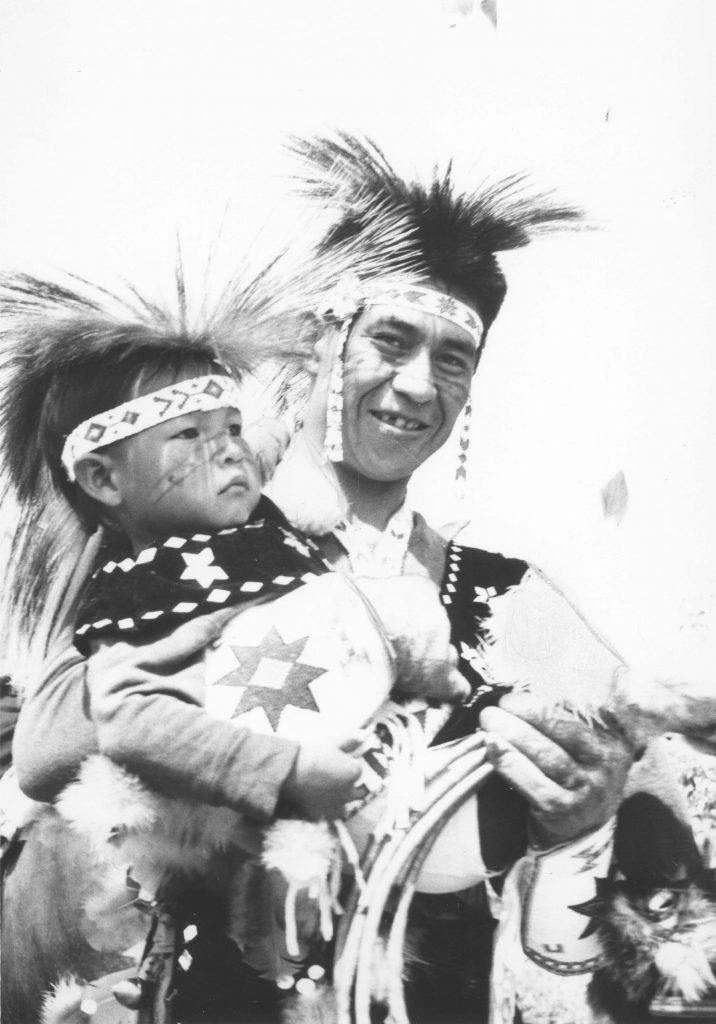
The final issue I’d like to talk to you about is about the often messy landscape of ownership of Indigenous materials. At the heart of the problem is that lots of the archival materials about Indigenous Peoples were donated without their consultation or their consent. When donating things to archives, the donors themselves have the option of putting restrictions on their materials. So, for example, they could say that no one can access their Fonds without first getting their permission. Indigenous Peoples will also place restrictions on their own stories, so for example certain stories can only be shared during certain times of the year, or are only meant to be shared with other members of their communities. A common example is that no photographs of the Sundance are permitted. These restrictions were rarely considered when materials were donated, and archives will often have material that they should never have collected in the first place.
It’s a bit of a tangled mess we’ve found ourselves in, but I wanted to end on a bit of a hopeful note. We now have a (mostly) complete inventory of everything by or about Indigenous Peoples.
While this isn’t currently publicly accessible, it does mean that if you want to look in the archive for Indigenous material, then the Archive staff there are better prepared to help you. In addition, the University of Alberta Archives is looking at returning some of the sensitive material to different Indigenous communities, or else place further restrictions on those materials. Archives can be a really great resource filled with amazing things, not only for scholarly research but for learning more about your family histories. I’m hopeful that, with continued work, we can make more Indigenous folks feel welcome in accessing the archives.
Researchers wanting to access items that are housed at the University of Alberta Archives can do so by appointment only. Visit the University of Alberta Archives’ website to search their holdings and learn how you can book a visit.