Author

Guest Author

    Copyright 101: Core Concepts

    by Guest Author

    This post was written by Copyright Office Director, Adrian Sheppard, and Copyright and Scholarly Communications Librarian, Amanda Wakaruk
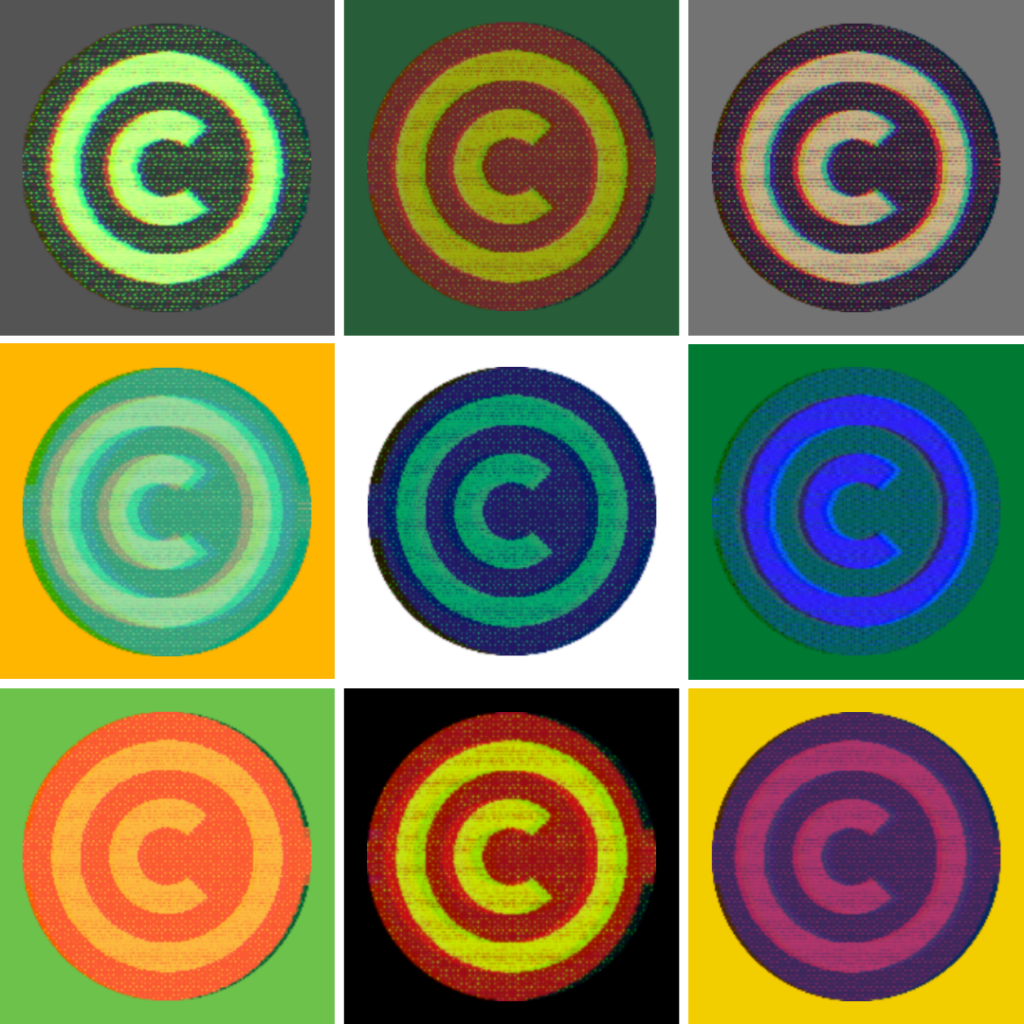
    What is copyright?

    Copyright is a set of legal rights established by the federal government and the courts through legislation and case law. Penalties for copyright infringement can be significant, so it is important to have some familiarity with how copyright might apply to you.

    What does copyright apply to?

    Copyright is governed by the Copyright Act and it applies to “works”, including literary, artistic, dramatic and musical works (e.g., books, images, plays, recorded songs, etc.). Copyright provides a limited right to the creator (or other rightsholder) of a protected work to control how that work is reproduced, distributed and used.

    Who owns copyright in the works you make?

    Normally, you will own the copyright in the original works that you create. However, this can get complicated if your work includes the substantial parts of works created by others, or if it is based on work created by another (e.g., translations or adaptations). It is important to note that copyright in works that are created in the course of employment is normally owned by the employer, unless your employment agreement specifically indicates otherwise. If you are creating works in the course of your employment, you should check the terms of your employment agreement.

    How can you make use of the works others have made?

    Different works will have different terms of use, largely based on how you access the work. For example, the work may be a book on the shelf, an image on the open web, an online resource accessed via the library website, or course materials on eClass. Each of these may have different terms of use, which provide some indication of the rightsholders’ wishes for how the work is to be used. Creative Commons licences are becoming an increasingly popular way for rightsholders to communicate to users the scope and limits of the permitted uses of their works.

    Separately, copyright law supports some uses by those other than the rightsholder. Copyright law was developed to balance the rights of creators and users in order to serve the broader public interest. It not only protects the rights of the creators to control – to some extent – how their works are used, but it also recognizes the public benefit from the use of protected works and it encourages that use.

    Protecting your rights as a user of works

    User rights form an important component of the copyright balance. While there are some very specific exceptions in the Copyright Act to promote use of works in certain contexts, there are a couple of important features associated with user rights that involve interpretation. One is “substantiality” and the other is “fair dealing.”

    Copyright protection only applies to “substantial parts” of protected works, therefore a user is free to use any insubstantial part of such work. Also, there is an exception to copyright infringement where, if the use of a protected work is a fair dealing, it does not infringe copyright. For example, a short quote from a much longer work might be insubstantial, where a more extended excerpt from that same work might be a fair dealing, depending on how it is to be used and distributed. Making determinations about whether part of a work is substantial or whether a specific use of a work is a fair dealing are matters of interpretation. Although acting on such interpretations can involve risk, if overly conservative interpretations become the norm, this could result in an erosion of these user rights.

    Where can I get more information?

    Check out the Copyright Office website.   For a deeper dive, check out the Opening Up Copyright Instructional Modules. For specific questions relating to copyright, contact the Copyright Office staff.

    0 comment
    0 FacebookLinkedinRedditWhatsappEmail
  • This post was written by Librarian, Janice Kung Predatory publishing, also known as deceptive publishing or questionable publishing, is an exploitative academic publishing business model that takes advantage of the open access model by charging publication fees (article processing charges, or APCs) to authors when manuscripts are accepted for publication. While this is a regular practice with open access journals, predatory journals forgo the quality peer-review and editorial processes that are expected…

  • To ILL or Not ILL?

    by Guest Author
    by Guest Author

    We have a pretty extensive collection here at the University of Alberta Library. Between print books & periodicals, electronic books, journal articles, streaming video and audio, and miscellaneous kits, games and more, there’s no lack of resources to explore. As Junelle explained in her recent post, there are limits to what we have access to. Sometimes we have to cast our nets wider and borrow items from libraries outside of the NEOS…

  • Ce post a été écrit en consultation avec la bibliothécaire Allison Sivak et traduit par Linda Gisenya. Le vendredi 30 septembre marque la Journée nationale de la vérité et de la réconciliation. À cette occasion, les cours seront annulés et les services du campus, y compris la bibliothèque, seront fermés pour permettre aux étudiants et au personnel de se pencher sur les conséquences des pensionnats canadiens. Pour soutenir cette réflexion, la bibliothèque…

  • This post was a written in consultation with Librarian Allison Sivak. Friday, September 30 marks National Day for Truth and Reconciliation (TRC). On that day classes are cancelled and campus services, including the Library, will close to allow students and staff to contemplate the repercussions of the Canadian residential school system. To support this reflection the Library invites students and staff to take part in the following activities.   Orange Shirt Beaded Pin…

  • Web Archiving Government Information

    by Guest Author
    by Guest Author

    This post was written by Katie Cuyler, Librarian (Arts & Law) & Government Information Librarian Today, governments share almost all of their public information on their websites. But, what happens when these websites change? When policies, mandates, or governments change? How can researchers access government information from previous governments? The answer is often through the Wayback Machine and Archive-it. Archive-it and the Wayback Machine are invaluable tools when it comes to accessing…

  • Vous donnez un cours cet automne ? Pour planifier un cours efficace, il faut tenir compte du matériel de lecture que vos étudiants devront consulter pour réussir le cours. Seront-ils en mesure d’accéder à leur matériel de cours en cas d’imprévu ? Si la pandémie nous a appris quelque chose, c’est que les situations peuvent changer rapidement. Les étudiants peuvent perdre l’accès à des documents physiques qui se trouvent sur les étagères…

  • Are you teaching a course this fall? A huge consideration that goes into planning an effective course is the required reading materials that your students will need to consume to be successful in your course. Are they going to be able to access their course materials should the unforeseen occur? If the pandemic taught us anything, it’s that situations can change suddenly. Students could lose access to physical items that are located…

  • This post was written by Sarah Severson, Digital Initiatives Project Librarian This is a 3-part series on the Digitization of SEE Magazine and VUE Weekly. This post is an overview of the project, which answers the question: “How?”  In the coming weeks, we’ll post a short history & timeline of the publications (the “What”), and close out with a collection of personal memories and discuss the research potential of collections like these…

  • Among many commemorative titles including Blueberry Month and International Zine Month, July is also anti-boredom month. When you work at a library there are endless amounts of resources to pour over when you need a brain break. Oftentimes during quiet periods at the desk, I like to poke around in the collections our digitization team have made available through Internet Archive. We’ve examined the process of digitization in a previous blog post,…